
How Mushrooms Can Affect Blood Sugar Levels
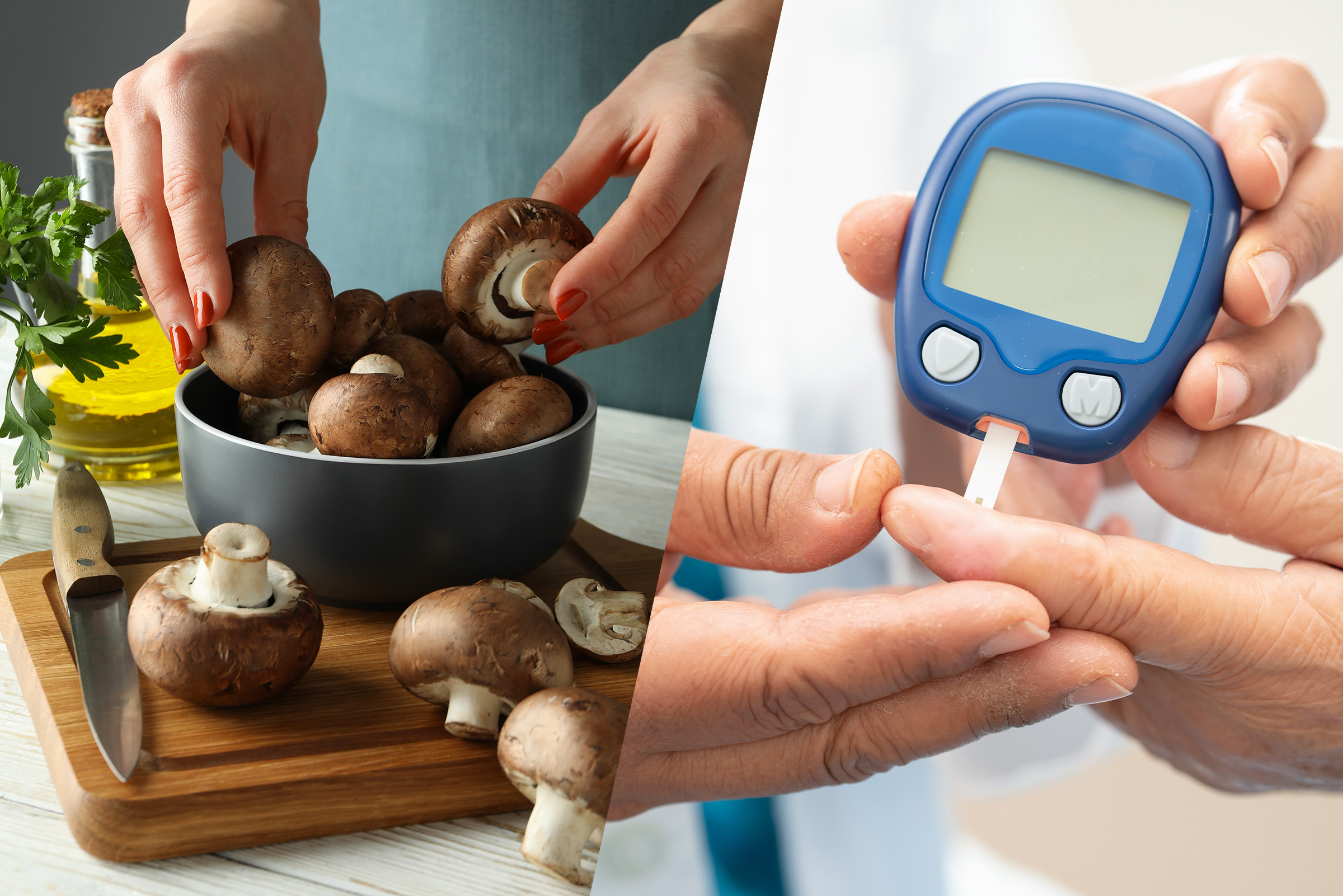
Mushrooms are enjoying a moment in the health spotlight, and for good reason. These versatile fungi are not only low in calories and rich in nutrients, but they also offer benefits for blood sugar control. In particular, mushrooms may play a positive role in managing blood glucose levels, making them a great addition to a balanced diet—especially for those with diabetes or insulin resistance. Here, we’ll dive into the science of how mushrooms can impact blood sugar, which varieties are best, and how to incorporate them into your diet.
Nutritional Profile of Mushrooms
Mushrooms are nutrient-dense yet low in carbs, meaning they have minimal impact on blood glucose levels. They’re high in fiber, particularly a type of soluble fiber called beta-glucan, which can help regulate blood sugar by slowing glucose absorption. They’re also packed with essential vitamins and minerals, including B vitamins, vitamin D, potassium, and antioxidants, all of which support overall metabolic health.
But mushrooms go beyond basic nutrition; they contain unique compounds that offer health benefits specifically targeted at blood sugar regulation and insulin sensitivity.
How Mushrooms May Help Regulate Blood Sugar
High in Fiber and Low in Carbohydrates
Fiber is crucial for blood sugar regulation because it helps slow down the absorption of sugars into the bloodstream. This slower absorption process helps avoid sharp spikes in blood glucose levels after meals. Most mushrooms are also low in carbohydrates and have a low glycemic index (GI), meaning they have little immediate impact on blood sugar. This makes them an excellent option for people with diabetes who need to monitor their carb intake.Contain Antioxidants to Combat Inflammation
Chronic inflammation is known to contribute to insulin resistance, a condition where the body’s cells don’t respond effectively to insulin, making it harder to manage blood sugar levels. Mushrooms are rich in antioxidants, particularly ergothioneine and glutathione, which can help combat oxidative stress and reduce inflammation. By managing inflammation, mushrooms may indirectly support better blood sugar control.May Improve Insulin Sensitivity
Certain types of mushrooms, such as maitake and shiitake, contain bioactive compounds that may improve insulin sensitivity. Studies have shown that polysaccharides (complex sugars) in these mushrooms can stimulate insulin production and enhance the body’s ability to use glucose effectively. Improved insulin sensitivity means the body can manage blood sugar levels more efficiently, reducing the risk of high blood sugar spikes.Support Gut Health
The fiber in mushrooms not only helps regulate blood sugar but also promotes a healthy gut microbiome. Emerging research suggests that a healthy balance of gut bacteria is closely linked to metabolic health and blood sugar regulation. Some mushroom varieties, particularly shiitake, contain prebiotic fibers that nourish beneficial gut bacteria. A well-balanced microbiome can support insulin sensitivity and reduce blood sugar variability.
Best Types of Mushrooms for Blood Sugar Control
While most edible mushrooms offer health benefits, certain varieties stand out for their blood sugar-regulating properties:
Maitake: Known as the “dancing mushroom,” maitake contains compounds that help improve insulin sensitivity. It has been studied for its effects on lowering blood sugar levels in people with type 2 diabetes.
Reishi: Often used in traditional medicine, reishi mushrooms contain polysaccharides and antioxidants that may help manage blood sugar and reduce inflammation.
Cordyceps: This unique mushroom may have a balancing effect on blood sugar levels and has been linked to improved insulin sensitivity in some studies.
Shiitake: Shiitake mushrooms are rich in beta-glucans, which help control blood sugar levels and improve satiety, reducing the likelihood of overeating.
How to Incorporate Mushrooms into Your Diet
Adding mushrooms to your diet is simple, and they’re incredibly versatile. Here are a few ideas:
- Sautéed Mushrooms: Add them as a topping to salads, grains, or lean proteins.
- Mushroom Soups and Stews: Mushrooms add a hearty, umami flavor to soups and stews, especially when combined with other vegetables and lean meats.
- Stir-fries: Combine mushrooms with colorful vegetables, tofu, or lean protein for a balanced, blood sugar-friendly meal.
- Mushroom Tea or Supplements: Some people prefer mushroom extracts or supplements, especially from varieties like reishi or cordyceps, for a concentrated dose of their blood sugar-regulating benefits. Always consult a healthcare provider before adding any supplement to your routine, especially if you have diabetes.
Final Thoughts
Mushrooms are more than just a low-calorie ingredient; they’re a powerful ally in managing blood sugar levels and supporting metabolic health. Their unique combination of fiber, antioxidants, and bioactive compounds can help stabilize blood sugar, improve insulin sensitivity, and reduce inflammation. Incorporating a variety of mushrooms into a balanced diet may offer cumulative benefits for blood sugar control, whether you’re managing diabetes or simply looking to stabilize your energy levels throughout the day. As with any dietary change, it’s always best to consult with a healthcare provider to ensure that mushrooms are a suitable addition to your individual health plan.
Mushrooms are a fascinating, nutrient-rich food with the potential to improve blood sugar regulation naturally. So, why not experiment with adding more of these fabulous fungi to your meals?